

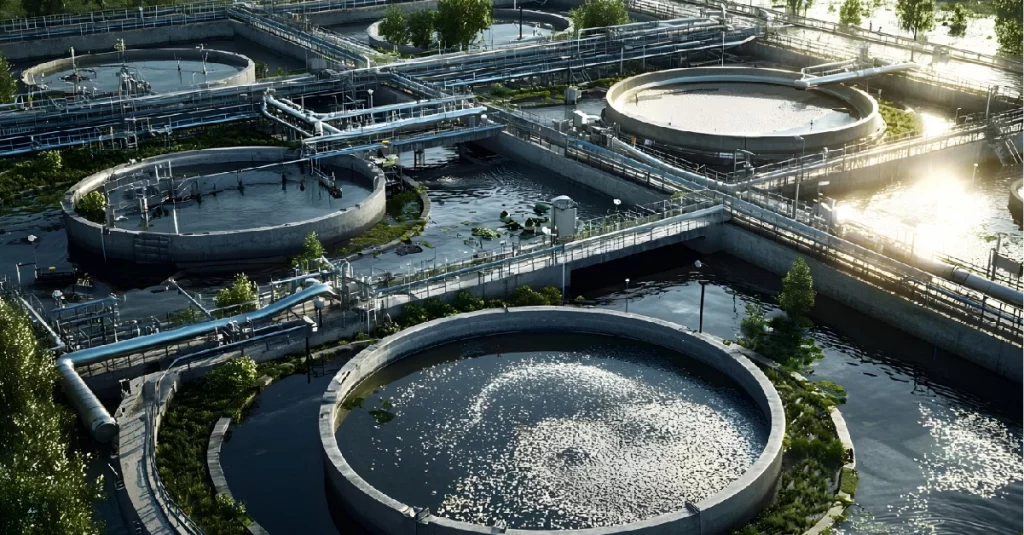
The chemical industry is one of the largest consumers of water globally, utilizing significant volumes for process operations, cooling systems, steam generation, equipment cleaning, and product manufacturing. In the UAE, where freshwater resources are limited and industrial growth continues to accelerate, efficient water management has become a strategic priority.
As environmental regulations become stricter and sustainability targets gain importance, water reuse in chemical processing is emerging as a critical solution for reducing water consumption and improving operational efficiency. Modern chemical wastewater treatment technologies now enable industries to recover, recycle, and reuse treated wastewater, transforming it from a disposal challenge into a valuable resource.
By implementing advanced industrial water reuse strategies, chemical manufacturers can reduce costs, improve water security, and strengthen their environmental performance.
Why Is Water Reuse Becoming Essential in Chemical Processing?
Chemical manufacturing processes generate wastewater containing a wide range of contaminants, including:
- Dissolved salts
- Organic compounds
- Acids and alkalis
- Process chemicals
- Suspended solids
- Heavy metals
Historically, much of this wastewater was treated primarily for discharge. Today, increasing water scarcity and sustainability goals are encouraging industries to focus on recovery and reuse.
The benefits of water reuse include:
- Reduced freshwater consumption
- Lower wastewater discharge volumes
- Improved operational sustainability
- Reduced treatment and disposal costs
- Enhanced regulatory compliance
These advantages are driving the rapid adoption of water recycling in the chemical industry.
Challenges of Chemical Wastewater Treatment
Chemical wastewater is often more complex than municipal wastewater because its composition varies depending on the manufacturing process.
Common treatment challenges include:
- High Total Dissolved Solids (TDS)
- Variable pH levels
- Toxic organic compounds
- High Chemical Oxygen Demand (COD)
- Process-specific contaminants
Effective chemical wastewater treatment requires advanced technologies capable of handling these complex wastewater streams while producing water suitable for reuse.
How Does Industrial Water Reuse Work?
Modern industrial water reuse programs involve multiple treatment stages that remove contaminants and recover water for reuse within the facility.
The process generally includes:
Primary Treatment
Removal of:
- Suspended solids
- Oils and grease
- Floating contaminants
Secondary Treatment
Biological processes reduce:
- Organic pollutants
- COD
- BOD
Advanced Treatment
Technologies such as:
- Ultrafiltration (UF)
- Reverse Osmosis (RO)
- Nanofiltration (NF)
- Ion Exchange
- Advanced Oxidation Processes (AOP)
Help produce high-quality water suitable for industrial reuse.
Water Recycling in Chemical Industry Operations
Recovered water can be reused in numerous applications, including:
-
Cooling Towers
Cooling systems consume substantial volumes of water.
Recycled water can significantly reduce freshwater demand.
-
Boiler Feed Applications
Properly treated recycled water can supplement boiler feed systems while maintaining performance standards.
-
Process Water
Many chemical processes can utilize recycled water after advanced treatment.
-
Utility Operations
Cleaning systems, wash-down operations, and auxiliary services can often operate using reclaimed water.
These reuse applications help maximize resource efficiency throughout the facility.
Wastewater Reuse Systems for Chemical Plants
Modern wastewater reuse systems are designed to maximize water recovery while maintaining product quality and operational reliability.
Key technologies include:
-
Membrane Bioreactors (MBR)
MBR systems combine biological treatment with membrane filtration to produce high-quality treated water.
-
Reverse Osmosis (RO)
RO systems remove dissolved contaminants and play a critical role in water reuse applications.
-
Evaporation Systems
Used to concentrate wastewater and increase water recovery rates.
-
Zero Liquid Discharge (ZLD)
ZLD systems recover maximum water while eliminating liquid discharge.
These technologies are increasingly integrated into chemical processing facilities seeking long-term sustainability.
Economic Benefits of Industrial Water Recycling
While water reuse systems require investment, the long-term financial benefits can be substantial.
-
Lower Freshwater Procurement Costs
Reduced dependence on external water sources lowers operating expenses.
-
Reduced Wastewater Disposal Costs
Smaller discharge volumes mean lower treatment and disposal expenses.
-
Improved Resource Efficiency
Recovered water supports continuous operations while reducing resource consumption.
-
Reduced Regulatory Risks
Compliance with environmental regulations helps avoid penalties and operational disruptions.
For many facilities, industrial water recycling delivers measurable returns on investment over time.
Sustainability and ESG Benefits
Water reuse initiatives directly support corporate sustainability objectives.
Benefits include:
- Reduced environmental footprint
- Lower freshwater extraction
- Improved ESG performance
- Enhanced corporate reputation
- Support for circular economy principles
As sustainability reporting becomes increasingly important, water reuse is becoming a key performance indicator for industrial operations.
Chemical Processing Water Management Strategies
Successful chemical processing water management requires a comprehensive approach that includes:
- Water audits
- Process optimization
- Wastewater treatment upgrades
- Water reuse implementation
- Real-time monitoring
- Continuous performance improvement
Integrated water management strategies help facilities maximize efficiency while minimizing environmental impact.
Water Reuse in the UAE’s Industrial Future
The UAE has placed significant emphasis on water conservation, resource efficiency, and sustainable industrial development.
As industrial expansion continues, water reuse will play an increasingly important role in:
- Reducing freshwater demand
- Supporting industrial growth
- Improving water security
- Achieving sustainability targets
Advanced treatment and recycling technologies are expected to become standard components of modern chemical processing facilities.
Ion Exchange Solutions for Water Reuse and Recycling
Ion Exchange provides advanced solutions for industrial water treatment, wastewater recovery, and reuse applications across diverse industries.
Its capabilities include:
- Chemical wastewater treatment systems
- Industrial water reuse solutions
- Water recycling systems
- Reverse osmosis plants
- Membrane-based treatment technologies
- Zero Liquid Discharge (ZLD) systems
- Integrated water management solutions
These technologies help industries improve water efficiency, reduce operating costs, and support sustainable growth.
Conclusion
The rising importance of water reuse in chemical processing reflects a broader shift toward sustainable industrial operations. By implementing advanced chemical wastewater treatment technologies and industrial water recycling systems, chemical manufacturers can significantly reduce water consumption, lower costs, and strengthen environmental performance.
As water becomes an increasingly valuable resource, adopting efficient wastewater reuse systems will be essential for supporting long-term industrial growth and sustainability in the UAE.
Connect with Ion Exchange experts to explore advanced water reuse, wastewater recycling, and chemical wastewater treatment solutions designed to improve efficiency and sustainability.
FAQs
-
Why is water reuse important in chemical processing plants?
Water reuse reduces freshwater consumption, lowers operating costs, minimizes wastewater discharge, and supports sustainability goals.
-
What challenges are associated with chemical wastewater treatment?
Chemical wastewater often contains dissolved salts, organic compounds, chemicals, and process-specific contaminants that require advanced treatment technologies.
-
What technologies are used for industrial water reuse?
Common technologies include membrane bioreactors (MBR), reverse osmosis (RO), nanofiltration (NF), ion exchange systems, and Zero Liquid Discharge (ZLD) systems.
-
How does water recycling benefit chemical industries?
Water recycling improves resource efficiency, reduces water procurement costs, lowers discharge volumes, and enhances regulatory compliance.
-
How does Ion Exchange support industrial water reuse projects?
Ion Exchange provides advanced wastewater treatment, water recycling, reverse osmosis, ZLD, and integrated water management solutions tailored for chemical processing industries.